

Finding jewelry that keeps up with your busy days while still feeling special can seem impossible. With different routines and unpredictable moments, your accessories need to go beyond looking good—they must feel comfortable, last through daily wear, and match what you truly love. This guide shows you how to choose stylish, durable, and versatile jewelry that fits not only your wardrobe but also your lifestyle and emotional needs, ensuring your pieces stay beautiful and meaningful day after day.
Table of Contents
- Step 1: Assess Your Lifestyle and Daily Needs
- Step 2: Define Your Personal Style and Preferences
- Step 3: Explore Material and Durability Options
- Step 4: Select Versatile Jewelry for Frequent Wear
- Step 5: Verify Comfort and Lasting Sparkle
Quick Summary
| Important Insight | Explanation |
|---|---|
| 1. Assess your lifestyle needs | Consider your daily activities and environments to choose jewelry that fits seamlessly into your routine. |
| 2. Define your personal style | Identify what styles and metals resonate with you to ensure your jewelry feels authentic and cohesive with your wardrobe. |
| 3. Consider material durability | Choose metals and gemstones based on their ability to withstand your lifestyle, ensuring long-lasting wear without excessive maintenance. |
| 4. Select versatile pieces | Opt for jewelry that complements multiple outfits and occasions, maximizing wearability and style appeal. |
| 5. Verify comfort and maintenance | Ensure the jewelry fits well and is comfortable, while understanding care requirements for long-term sparkle and durability. |
Step 1: Assess your lifestyle and daily needs
Before you fall in love with a piece of jewelry, pause and think about how it will actually fit into your life. Your everyday jewelry should work as hard as you do, which means understanding what your routine demands from the pieces you wear.
Start by considering your daily activities. Do you spend hours at a desk, or are you constantly moving? Do you work with your hands regularly, exercise frequently, or spend time in water? Your lifestyle directly impacts the durability and style of jewelry that makes sense for you.
Assess these key lifestyle factors:
- Work environment: office, outdoor, physical labor, or creative space
- Daily activities: exercise, swimming, gardening, or contact sports
- Time commitment: can you care for delicate pieces, or do you need low-maintenance jewelry
- Stress levels: are you looking for calming pieces that support your well-being
Your jewelry should complement your life, not complicate it—choose pieces that match your actual routine, not an imagined one.
Understanding your lifestyle and daily needs when choosing jewelry ensures durability and practicality. This means considering materials that can withstand your activities without requiring constant maintenance.
Think beyond aesthetics for a moment. Jewelry can also serve an emotional purpose. Wearing jewelry that fits your mental and emotional needs creates a deeper connection to what you wear. Maybe you need a grounding piece to wear on stressful days, or something that reminds you of your confidence when you need it most.
Once you understand your lifestyle demands, you can prioritize the features that matter. Need something water-resistant? Look for sterling silver or pieces designed to resist oxidation. Want minimal fuss? Choose classic designs that don’t require special storage or frequent polishing.
Compare jewelry features suited for different lifestyles:
| Lifestyle Type | Best Metal Choice | Preferred Jewelry Style | Suggested Gemstones |
|---|---|---|---|
| Desk/Office | Gold or Platinum | Simple, classic pieces | Diamonds, pearls |
| Active/Outdoor | Stainless Steel | Minimal, rugged or secure | Sapphires, rubies |
| Creative/Lifestyle | Sterling Silver | Artistic, statement pieces | Colorful gemstones |
| Low Maintenance | Rhodium-plated Silver | Classic, small accessories | Lab-created stones |
Pro tip: List your top three daily activities and the jewelry demands they create, then use this list as your filter when shopping—it transforms vague preferences into clear decisions.
Step 2: Define your personal style and preferences
Your personal style is the foundation of choosing jewelry that feels authentically yours. This step is about discovering what resonates with you, not what trends dictate or what others wear.
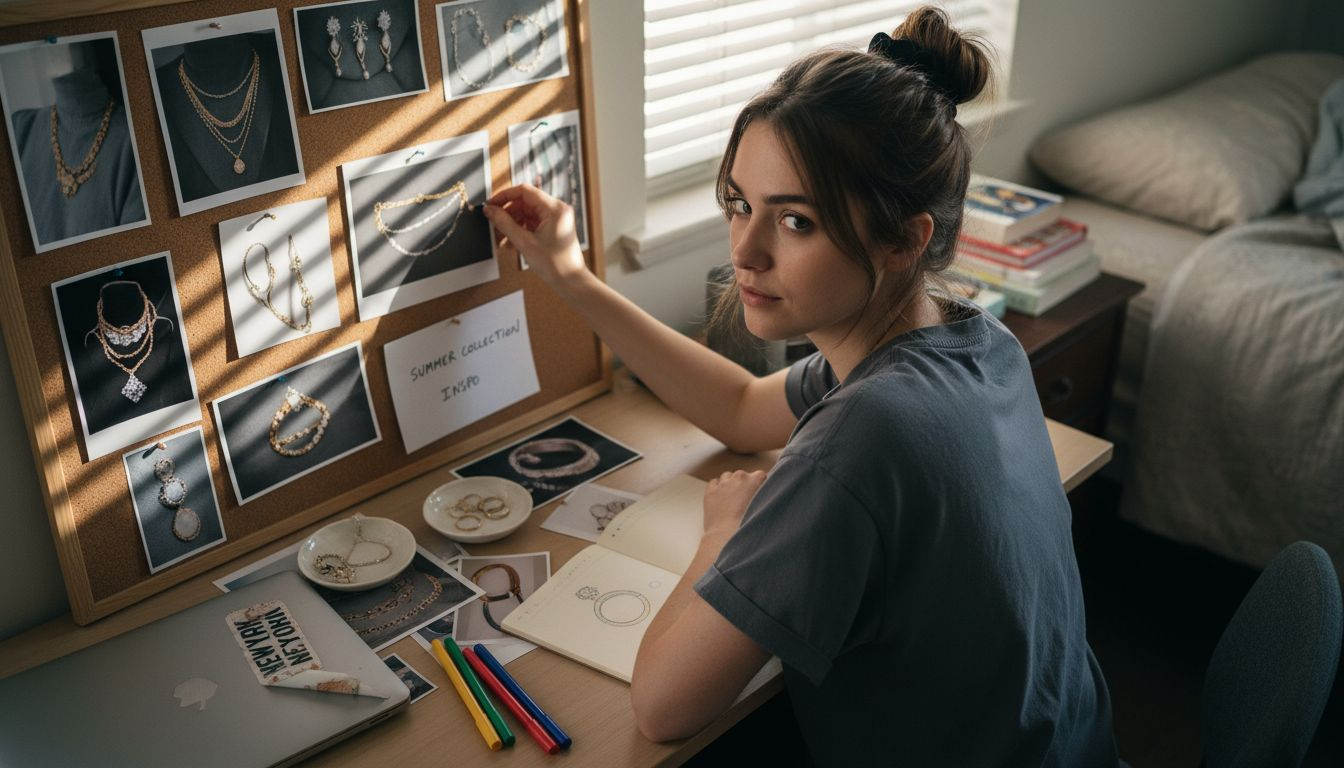
Start by looking at what you already own and love. Pull together your favorite clothing pieces, browse your phone for outfits you’ve saved, and notice patterns. Do you gravitate toward minimalist designs or statement pieces? Are you drawn to warm metals or cool tones? These observations reveal your natural preferences without overthinking.
Explore your style through these angles:
- Color preferences: warm metals like gold, or cool metals like silver and platinum
- Design aesthetic: minimalist, bohemian, classic, modern, vintage, or eclectic
- Piece types: delicate chains, chunky bracelets, stud earrings, or bold drops
- Metal finishes: polished, matte, textured, or hammered surfaces
Your style should make you feel confident and comfortable, not like you are wearing someone else’s taste.
Identifying your personal style through understanding trends and metals helps ensure your pieces feel cohesive with your wardrobe. Think about which metals complement your skin tone and which designs align with how you actually dress. This is not about following rules but about recognizing what makes you feel like yourself.
Consider visiting jewelry stores or browsing online collections and saving images of pieces that catch your eye. Notice what they have in common. Are they all delicate, or do they lean bold? This visual research teaches you about your preferences in real time.
Another powerful approach is to think about how jewelry makes you feel emotionally. Does a certain style make you feel powerful, peaceful, playful, or sophisticated? Your jewelry should serve your emotional needs as much as your aesthetic ones.
Pro tip: Create a visual mood board of jewelry styles you love, then look for the common threads—metal type, design scale, and finish patterns become your personal style guide.
Step 3: Explore material and durability options
Materials determine everything about your jewelry’s performance and longevity. This step is about understanding what different materials offer so you can choose pieces that match your lifestyle and expectations.
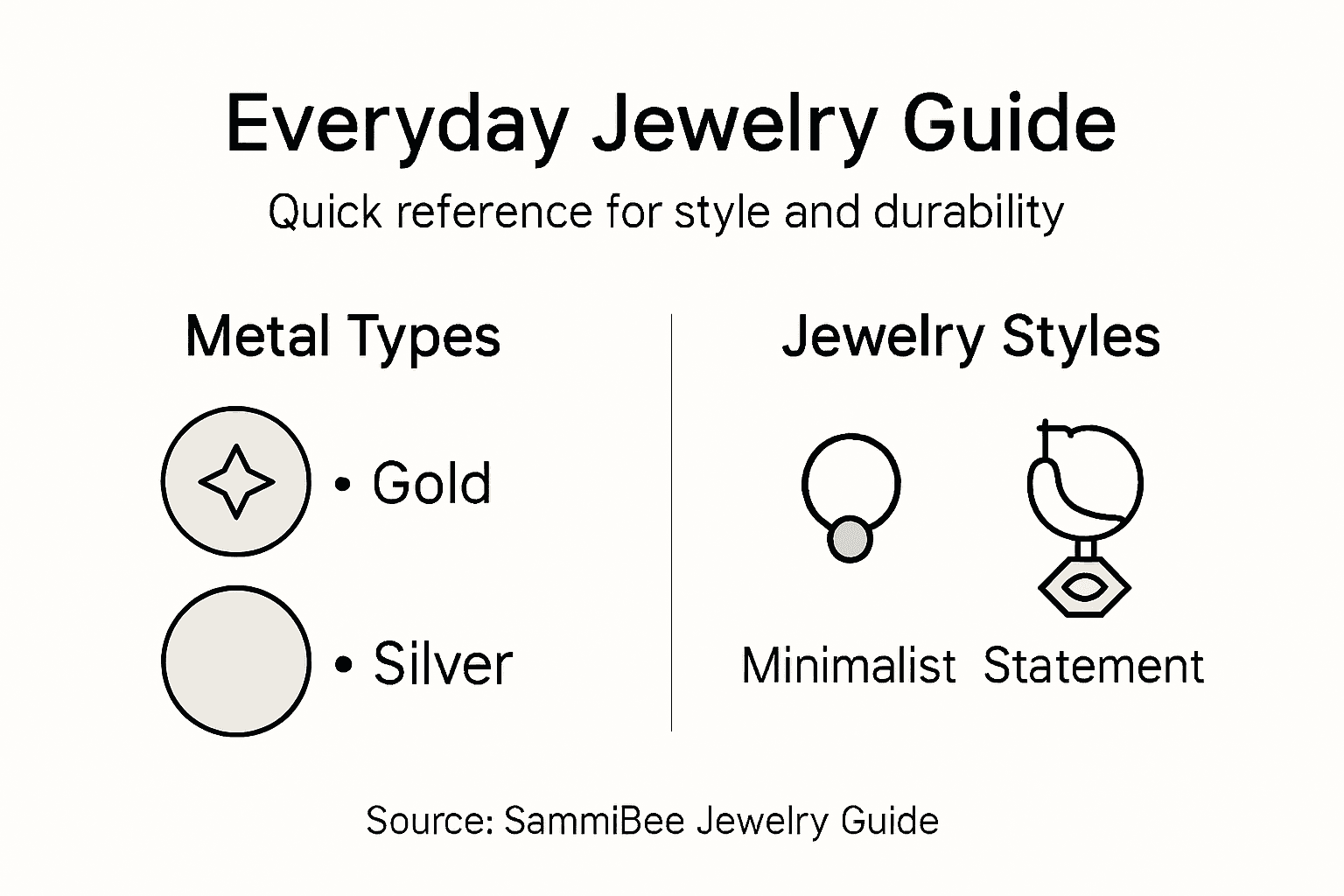
Start with metals, which form the foundation of most jewelry. Sterling silver is affordable, versatile, and elegant, though it requires occasional polishing to maintain its shine. Gold (in various karats) offers durability and warmth but commands a higher price. Platinum delivers maximum durability and prestige. Each metal responds differently to daily wear, water exposure, and environmental factors.
Here’s a quick reference for common jewelry metals and their practical attributes:
| Metal Type | Durability Level | Maintenance Required | Allergy Risk |
|---|---|---|---|
| Sterling Silver | Moderate | Occasional polishing needed | Low (if pure) |
| Gold | High (14K+) | Minimal, gentle cleaning | Very Low |
| Platinum | Very High | Rare cleaning, stays bright | Extremely Low |
| Stainless Steel | High | Easy cleaning, no tarnish | Very Low |
Gemstones also matter significantly. Understanding gemstone properties and durability helps you select stones suited to your wear frequency. Diamond ranks highest in hardness and resists scratching, making it ideal for everyday rings. Cubic zirconia offers brilliant sparkle at a fraction of the cost, though it requires careful handling. Sapphires and rubies provide excellent durability alongside rich color.
Compare materials by these durability factors:
- Hardness: resistance to scratching and daily impact
- Tarnish resistance: ability to maintain appearance without constant polishing
- Water and chemical resistance: how materials respond to moisture and exposure
- Longevity: how pieces hold up over months and years of wearing
The most beautiful piece means nothing if it cannot survive your actual daily life.
Jewelry care and maintenance requirements vary by material. Some metals need regular polishing, while others stay pristine with simple cleaning. Some gemstones require protective settings to prevent damage. Before committing to a piece, consider the care it demands.
Think honestly about your commitment level. Can you remove your jewelry before exercising or swimming? Will you remember to clean and store pieces carefully? If maintenance feels unrealistic, choose lower-maintenance materials like rhodium-plated sterling silver or lab-created gemstones that handle everyday wear effortlessly.
Pro tip: Ask jewelry sellers about specific care requirements before purchasing, then decide if that maintenance fits your lifestyle—affordable luxury means nothing if you cannot keep it looking beautiful.
Step 4: Select versatile jewelry for frequent wear
Versatility is your secret weapon for everyday jewelry. The pieces you choose should work with multiple outfits, transition between occasions, and earn their place in your rotation through constant wear.
Start by thinking about your color palette and wardrobe staples. If you wear mostly neutrals like black, white, and gray, silver-toned metals and pearls work effortlessly. If your closet leans warm with beiges, creams, and earth tones, gold and rose gold create natural harmony. A versatile piece complements what you already own without competing for attention.
Design matters just as much as metal color. Selecting timeless designs that complement different outfits ensures your pieces stay stylish for years without feeling dated. Avoid overly trendy designs that feel exciting today but exhausting in six months. Instead, choose classic silhouettes that read elegant in any context.
Build versatility through these strategic choices:
- Simple chains and delicate drops pair with casual and formal looks
- Stud earrings work alone or layered, from gym sessions to dinner dates
- Thin bangles and minimalist bracelets coordinate with watches or stack together
- Mixed metal pieces blend gold and silver for maximum outfit compatibility
A truly versatile piece should feel as comfortable with jeans and a t-shirt as it does with a cocktail dress.
Think about multi-functional pieces that adapt to different scenarios. A necklace long enough to layer works under crew necks and open buttons alike. Convertible earrings transition from studs to drops. Bracelets that fit over heavier sweaters still feel delicate against bare skin. This flexibility maximizes wear frequency and makes getting dressed easier.
Consider how mixing and matching jewelry creates effortless style through adaptable designs. One quality necklace worn daily beats ten pieces sitting unworn in a drawer. The pieces you love wearing become part of your signature, not accessories you tolerate.
Pro tip: Try the “five-outfit test” before buying: mentally style the piece with five different outfits you actually wear, then commit only if it works with at least four of them.
Step 5: Verify comfort and lasting sparkle
Comfort and brilliance are non-negotiable for everyday jewelry. A beautiful piece that irritates your skin or loses its sparkle within months defeats the purpose of investing in your style.
Start by testing weight and fit before committing. Wear the piece for at least 15 minutes in the store or request a trial period. Does it feel heavy after a few minutes? Does it catch on clothing or snag your skin? Lightweight designs in sterling silver and delicate materials feel effortless throughout the day, while heavier pieces can become exhausting.
Check that sizing is precise. A ring should slide on easily but not spin around your finger. A bracelet should fit snugly without leaving marks. A necklace should sit at a comfortable length without pulling at the back of your neck. Poor fit creates discomfort that makes you avoid wearing the piece entirely.
Assess comfort through these key factors:
- Weight distribution: does the piece feel balanced and light
- Clasp security: can you fasten and unfasten it easily without frustration
- Surface texture: are there sharp edges or rough spots that irritate skin
- Hypoallergenic materials: does your skin react to nickel or other base metals
Comfort is not negotiable—the most stunning piece means nothing if it spends more time in your jewelry box than on your body.
Ensuring proper sizing and comfortable jewelry design affects how often you actually wear pieces. Hypoallergenic options like sterling silver and surgical stainless steel prevent skin reactions that discourage daily wear.
For lasting sparkle, understand the specific gemstone in your piece. Lightweight materials and gemstone treatments affect durability and brilliance for everyday wear. Ask your jeweler about the stone’s composition and whether any treatments require special care. Additionally, consider how proper jewelry care maintains sparkle through regular cleaning and storage to keep your pieces looking fresh.
Regular cleaning keeps stones radiant. Cubic zirconia needs gentle cleaning with soft cloths, while sterling silver occasionally requires polishing. Understanding these maintenance routines helps you choose pieces you will actually care for.
Pro tip: Before buying, ask the jeweler about cleaning frequency and care requirements, then honestly assess if you’ll commit to that routine—choose low-maintenance pieces if elaborate care feels unrealistic.
Elevate Your Everyday Jewelry with SammiBee
Choosing jewelry that fits your lifestyle and personal style can feel overwhelming. This guide highlights the challenge of finding pieces that balance durability, comfort, and timeless style without constant upkeep. If you want jewelry that is designed to keep up with your daily activities yet looks and feels special, SammiBee Jewelry offers an elegant solution crafted with your needs in mind.
Discover our versatile collection of necklaces, bracelets, and earrings that combine high-quality sterling silver and brilliant cubic zirconia for lasting sparkle and comfort.
Shop now at SammiBee Jewelry and enjoy affordable everyday luxury that fits effortlessly into your lifestyle. Experience jewelry designed for frequent wear with timeless elegance, free U.S. shipping, and a 30-day hassle-free return policy. Find pieces that feel truly yours and make every day a little more special.
Frequently Asked Questions
How can I assess my lifestyle to choose the right everyday jewelry?
Start by analyzing your daily activities, such as whether you work in a physical environment or spend a lot of time at a desk. Consider factors like your exercise routine and how much time you can dedicate to maintaining jewelry, then choose pieces that match these requirements for maximum practicality.
What should I consider when defining my personal style for jewelry?
Focus on your existing wardrobe and note any patterns in metal colors, design aesthetics, and piece types you already love. Create a visual mood board to identify common threads, ensuring your jewelry reflects your authentic taste rather than fleeting trends.
Which materials are best for durable everyday jewelry?
For long-lasting wear, opt for sturdy metals like gold, platinum, or stainless steel. Assess the hardness and maintenance needs of different materials to find pieces that can withstand your daily life, ensuring they remain beautiful with minimal effort.
How do I select versatile jewelry that works with different outfits?
Choose simple, classic designs that can transition seamlessly from casual to formal settings. Focus on pieces that can mix and match with various outfits, such as stud earrings and thin bracelets, to maximize your jewelry’s potential.
What factors should I consider for comfort in everyday jewelry?
Ensure the weight and fit of the jewelry are comfortable for extended wear. Test the piece for balance and security, and verify that it does not irritate your skin, which is essential for enjoying your jewelry on a daily basis.
How can I maintain the sparkle of my everyday jewelry?
Regular cleaning is key to maintaining brilliance. Establish a simple care routine based on the specific materials and gemstones in your jewelry to keep it looking fresh—consider light cleaning methods every few weeks to ensure durability and shine.
