

Sorting through jewelry options can be confusing when myths about durability and value surround every metal. For women who love affordable luxury and want pieces that stand up to daily life or special occasions, sterling silver offers remarkable versatility and strength thanks to its unique blend of 92.5% pure silver and 7.5% copper. Discover what makes sterling silver a favorite for modern style and learn how to spot quality pieces while avoiding common jewelry misconceptions.
Table of Contents
- Sterling Silver Defined And Common Myths
- Key Benefits Of Sterling Silver Jewelry
- Types Of Sterling Silver And Quality Grades
- How Sterling Silver Compares To Alternatives
- Care Tips For Lasting Shine And Durability
- Mistakes To Avoid With Sterling Silver Pieces
Key Takeaways
| Point | Details |
|---|---|
| Composition and Strength | Sterling silver is an alloy of 92.5% silver and 7.5% copper, offering improved durability compared to pure silver. |
| Affordability and Versatility | Sterling silver serves as a less expensive, yet elegant alternative to gold and platinum, suitable for various styles. |
| Care and Maintenance | Proper care, including storing in airtight containers and regular gentle cleaning, can significantly prolong the shine and durability of sterling silver. |
| Avoiding Common Mistakes | Steer clear of exposing sterling silver to harsh chemicals and ensure proper storage to maintain its quality. |
Sterling silver defined and common myths
Sterling silver is a precious metal alloy that represents the perfect balance between beauty and durability. Defined by its precise composition, sterling silver consists of approximately 92.5% pure silver and 7.5% copper, creating a material that’s stronger and more versatile than pure silver.
The strategic addition of copper transforms pure silver from a soft, malleable metal into a robust material suitable for everyday jewelry. Here are the key characteristics of sterling silver:
- Contains 92.5% pure silver
- 7.5% copper alloy for enhanced strength
- More durable than pure silver
- Maintains a brilliant, lustrous appearance
- Resistant to significant wear and tear
Many misconceptions surround sterling silver, particularly regarding its value and quality. Common myths include the belief that sterling silver is fragile or less valuable than other precious metals. In reality, sterling silver offers remarkable versatility and affordability compared to gold or platinum.
Sterling silver provides an elegant alternative to more expensive metals while maintaining exceptional quality and aesthetic appeal.
One prevalent myth suggests that sterling silver tarnishes quickly and requires constant maintenance. While sterling silver can oxidize over time, proper care and occasional polishing can preserve its stunning shine. The copper content actually improves the metal’s durability, making it an excellent choice for everyday jewelry.
Pro tip: Store your sterling silver pieces in airtight containers or anti-tarnish bags to minimize oxidation and maintain their brilliant luster.
Key benefits of sterling silver jewelry
Sterling silver jewelry offers an unparalleled combination of elegance, affordability, and versatility for modern women seeking everyday luxury jewelry. Unlike more expensive precious metals, sterling silver provides a stunning alternative that combines exceptional aesthetic appeal with practical wearability.
The key benefits of sterling silver jewelry include:
- Highly affordable compared to gold or platinum
- Exceptional durability for daily wear
- Hypoallergenic properties for sensitive skin
- Versatile design potential
- Timeless aesthetic that complements multiple styles
- Easy to maintain and restore
Durability is one of sterling silver’s most compelling attributes. The strategic copper alloy makes the metal stronger than pure silver, allowing it to withstand daily activities without losing its intrinsic beauty. This makes sterling silver an ideal choice for women who want jewelry that can transition seamlessly from professional settings to casual environments.
Sterling silver represents the perfect intersection of luxury, practicality, and personal expression.
Another significant advantage is sterling silver’s incredible versatility. Its neutral tone complements virtually every skin tone and wardrobe, making it an incredibly adaptable jewelry option. From minimalist designs to intricate statement pieces, sterling silver can be crafted into countless styles that suit different personal aesthetics and occasions.
Pro tip: Invest in a soft polishing cloth specifically designed for sterling silver to maintain your jewelry’s brilliant shine and prevent unnecessary wear.
Types of sterling silver and quality grades
Understanding the nuanced world of silver requires knowing its various types and quality grades. While sterling silver is the most popular choice for jewelry, several distinct variations exist, each with unique characteristics and applications.
The primary types of silver used in jewelry include:
-
Fine Silver (.999 purity)
- Purest form of silver
- Extremely soft and malleable
- Highly tarnish-resistant
-
Sterling Silver (.925 purity)
- Most common jewelry alloy
- Contains 92.5% silver, 7.5% copper
- Improved durability
-
Argentium Silver
- Modern tarnish-resistant alloy
- Additional germanium content
- Enhanced corrosion resistance
-
Coin Silver
- Historical alloy
- Lower silver content (typically .900 purity)
- Less common in modern jewelry
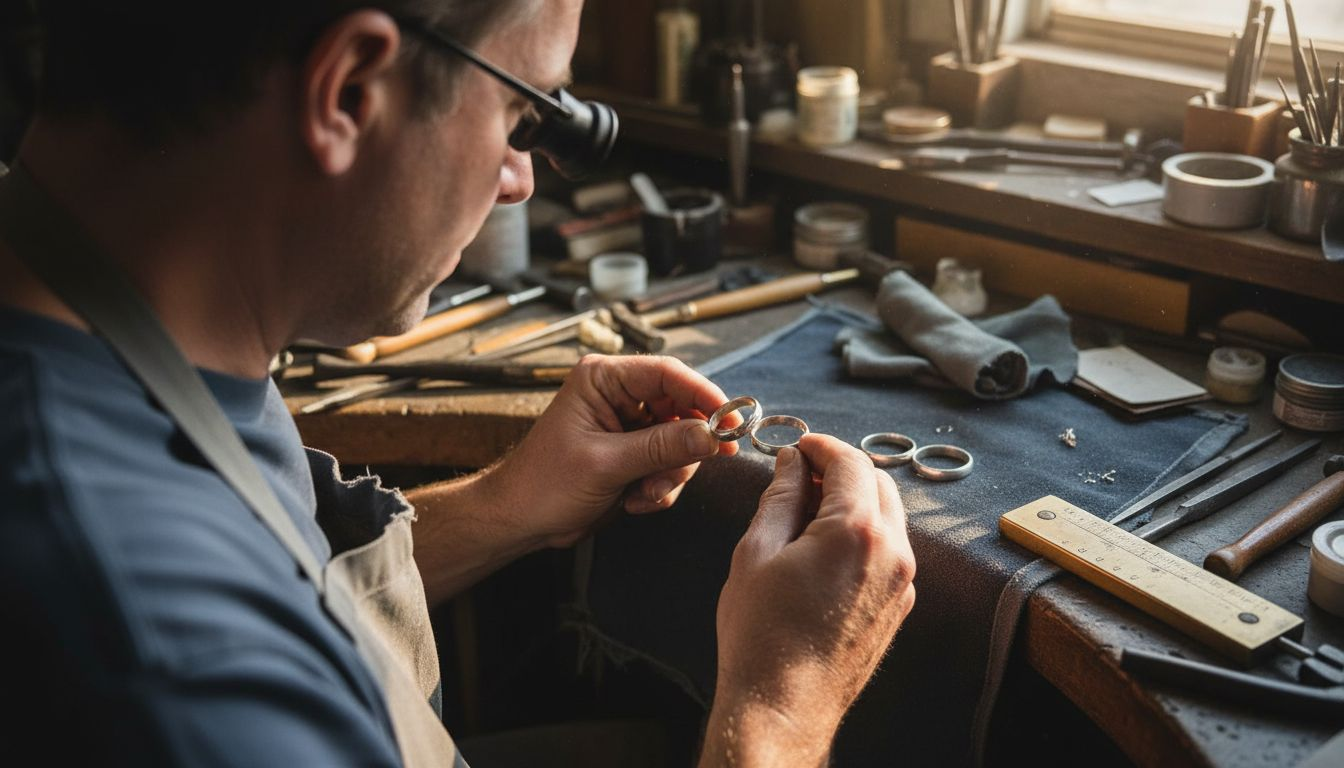
Quality grades are typically determined by hallmarks, which provide critical information about the silver’s composition and origin. These small stamps or engravings offer consumers a reliable way to verify the authenticity and purity of their silver pieces.
Here’s a quick overview of silver types and their jewelry suitability:
| Silver Type | Purity Level | Ideal Use | Notable Trait |
|---|---|---|---|
| Fine Silver | 99.9% (.999) | Limited, luxury items | Very soft and highly tarnish-resistant |
| Sterling Silver | 92.5% (.925) | Everyday jewelry | Strong and versatile for daily wear |
| Argentium Silver | 93.5-96% | Modern jewelry | Extra tarnish resistance due to germanium |
| Coin Silver | 90% (.900) | Vintage pieces | Less common, historic numismatic use |
Professional jewelers use precise hallmarking systems to guarantee the quality and origin of silver jewelry.
The copper content in sterling silver plays a crucial role in its durability and performance. While pure silver is beautiful, it’s too soft for practical jewelry making. The strategic addition of copper creates a more robust metal that can withstand daily wear while maintaining its lustrous appearance and intrinsic value.
Pro tip: Always check for official hallmarks when purchasing silver jewelry to ensure you’re getting an authentic, high-quality piece.
How sterling silver compares to alternatives
When exploring jewelry metals, sterling silver stands out as a remarkable choice, offering unique advantages that set it apart from alternative materials. Understanding how sterling silver compares to other metals can help you make an informed decision about your jewelry investments.
A comprehensive comparison of metals reveals sterling silver’s distinctive qualities:
-
Gold
- Much more expensive
- Softer and more prone to scratching
- Less versatile in design
-
Platinum
- Significantly higher cost
- Heavier metal
- Less adaptable to different styles
-
Stainless Steel
- Industrial appearance
- Less elegant
- Limited design flexibility
-
Titanium
- More rigid
- Less traditional aesthetic
- Limited jewelry crafting options
Durability is a crucial factor where sterling silver truly shines. Unlike softer metals like pure gold, sterling silver’s copper alloy provides enhanced strength and resistance to everyday wear. This makes it an ideal choice for women seeking jewelry that maintains its brilliance through constant use.
Sterling silver represents the perfect balance between affordability, elegance, and practical performance.
The hypoallergenic properties of sterling silver further distinguish it from alternative metals. Many individuals with sensitive skin find sterling silver more comfortable and less likely to cause allergic reactions compared to metals like nickel-based alloys or certain gold combinations. Its versatile neutral tone also complements virtually every skin tone and wardrobe style.
This table highlights the most common jewelry metal allergies and their typical causes:
| Metal | Likely Allergens | Typical Reaction | Suitable for Sensitive Skin? |
|---|---|---|---|
| Sterling Silver | Some copper content | Rare irritation | Yes, generally safe |
| Gold (low karat) | Nickel, copper | Rash or itching | Not always, depends on alloy |
| Stainless Steel | Nickel | Allergic reaction | Not ideal for allergy-prone |
| Platinum | Pure platinum | Minimal to none | Excellent choice |
Pro tip: Choose sterling silver pieces that come with quality certifications to ensure you’re getting a genuine, high-performance metal that will retain its beauty over time.
Care tips for lasting shine and durability
Maintaining the brilliance of sterling silver requires understanding specific care techniques. Your jewelry’s longevity depends on implementing a consistent and thoughtful maintenance routine that protects its delicate surface and prevents unnecessary tarnishing.
Essential care strategies for sterling silver include:
-
Storage Solutions
- Use airtight containers
- Include anti-tarnish strips
- Keep pieces separately to prevent scratching
-
Cleaning Techniques
- Use soft, non-abrasive cloths
- Mild soap and water for gentle cleaning
- Avoid harsh chemical cleaners
-
Preventative Maintenance
- Remove jewelry before swimming
- Avoid exposure to perfumes and cosmetics
- Store in cool, dry environments
Tarnish prevention is crucial for maintaining sterling silver’s radiant appearance. Surprisingly, wearing your jewelry frequently can actually help prevent tarnishing, as natural skin oils create a protective barrier against oxidation. When not wearing pieces, strategic storage becomes your primary defense against discoloration.
Consistent care transforms sterling silver from a delicate material into a lasting, cherished accessory.
Professional cleaning remains an excellent option for intricate or heavily tarnished pieces. While at-home maintenance is essential, periodic professional servicing can restore your jewelry’s original luster and address any complex cleaning needs that exceed typical home care techniques.
Pro tip: Invest in a specialized silver polishing cloth and use gentle, circular motions when cleaning to maintain your jewelry’s shine without causing microscopic scratches.
Mistakes to avoid with sterling silver pieces
Protecting your sterling silver investment requires understanding common pitfalls in jewelry maintenance. Every woman who loves her jewelry wants to preserve its beauty, but certain mistakes can dramatically accelerate wear and diminish the piece’s intrinsic value.
The most critical mistakes to avoid include:
-
Chemical Exposure
- Applying perfume directly on jewelry
- Wearing pieces while swimming
- Exposing silver to household cleaning agents
-
Improper Storage
- Storing pieces in humid environments
- Throwing jewelry in unprotected drawers
- Mixing different metal types together
-
Cleaning Errors
- Using abrasive materials
- Applying excessive pressure while polishing
- Neglecting regular gentle cleaning
Harsh chemical interactions represent the most significant threat to sterling silver’s longevity. Chlorine, saltwater, sunscreen, and even certain cosmetics can cause rapid oxidation and permanent discoloration. These substances create chemical reactions that break down the metal’s protective surface, leading to irreversible damage.
Small preventative actions can protect your sterling silver from significant long-term deterioration.
Many jewelry owners unknowingly compromise their pieces through improper handling and storage. Cramming multiple pieces together can cause scratching, while exposing silver to extreme temperatures or direct sunlight can accelerate tarnishing. Understanding these potential risks is the first step in maintaining your jewelry’s pristine condition.
Pro tip: Always remove sterling silver jewelry before applying lotions, perfumes, or engaging in activities that involve water or harsh chemicals to minimize potential damage.
Discover Everyday Luxury with Sterling Silver from SammiBee Jewelry
Choosing sterling silver means selecting a metal that perfectly balances elegance, durability, and affordability. If you are looking for stunning pieces crafted for daily wear without compromising on style or quality, explore our curated collection of Gifts for Women - Everyday Luxury Jewelry – SammiBee. Our designs embrace the timeless beauty of sterling silver with thoughtful craftsmanship that holds up to everyday life and keeps its radiant shine.
Elevate your everyday look with jewelry that feels special yet effortless. Visit SammiBee Jewelry today to find versatile sterling silver necklaces, bracelets, and earrings made for comfort and lasting sparkle. Start your journey to accessible luxury now and experience the perfect fusion of practicality and personal expression with our exclusive Earrings - Everyday Luxury Jewelry – SammiBee. Your signature style is waiting.
Frequently Asked Questions
What is the composition of sterling silver?
Sterling silver is an alloy that consists of approximately 92.5% pure silver and 7.5% copper, which enhances its strength and durability compared to pure silver.
How does sterling silver compare to other precious metals?
Sterling silver is more affordable than gold or platinum, offers exceptional durability due to its copper content, and has hypoallergenic properties, making it a great option for those with sensitive skin.
How can I prevent my sterling silver jewelry from tarnishing?
To minimize tarnishing, store your sterling silver pieces in airtight containers or anti-tarnish bags, and wear them regularly to allow natural skin oils to create a protective layer against oxidation.
What should I avoid when caring for my sterling silver jewelry?
Avoid exposing your sterling silver jewelry to harsh chemicals, such as those found in swimming pools or cleaning products, and refrain from storing them in humid environments to prevent oxidation and discoloration.