

Choosing jewelry that fits your style and lasts through busy days can be tricky when so many options sacrifice quality for price. Sterling silver, with its 92.5% silver content, offers the perfect balance of beauty, durability, and affordability for every American woman who wants standout pieces without the high cost. Discover how this classic alloy brings together modern design, everyday strength, and luxury appeal for jewelry that always feels special.
Table of Contents
- Sterling Silver Jewelry Explained Clearly
- Types And Uses Of Sterling Silver Pieces
- Key Benefits: Durability, Hypoallergenic, Affordability
- Comparing Sterling Silver Versus Gold, Platinum, And Costume Jewelry
- Best Practices For Caring For Sterling Silver Jewelry
Key Takeaways
| Point | Details |
|---|---|
| Understanding Sterling Silver | Sterling silver is an alloy of 92.5% silver and 7.5% other metals, mainly copper, offering strength and beauty resistant to daily wear. |
| Recognizing Authenticity | Look for the ‘925’ hallmark to identify genuine sterling silver and ensure quality. |
| Care for Longevity | Regularly clean and store sterling silver properly to maintain its shine and prevent tarnish. |
| Affordability and Versatility | Sterling silver provides an affordable luxury option, allowing for versatile everyday wear without straining your budget. |
Sterling silver jewelry explained clearly
Sterling silver isn’t pure silver straight from the earth. It’s an alloy that combines 92.5% silver with other metals, typically copper, to create a material that’s both beautiful and durable enough for everyday wear.
Why not use pure silver? Pure silver is soft. Too soft. It bends easily, scratches quickly, and would fall apart under the demands of daily jewelry wear. By adding 7.5% other metals to create 925 sterling silver (the “925” refers to the purity standard), you get strength without sacrificing that brilliant white shine you love.
The copper content serves a specific purpose. It hardens the silver, making it resistant to dents and scratches. Some premium sterling silver also incorporates elements like germanium or platinum to reduce tarnishing, keeping your pieces looking fresher longer.
Below is a quick reference showing the effects of common metals used in sterling silver alloys:
| Metal Added | Main Purpose | Effect on Jewelry |
|---|---|---|
| Copper | Increases strength | Better durability, minimal effect on color |
| Germanium | Reduces tarnish | Jewelry stays shiny longer |
| Platinum | Enhances resistance to tarnish | Prolongs brilliant luster |
| Zinc | Further hardens alloy | Adds minor extra strength |
What Makes Sterling Silver Special
Sterling silver has been the gold standard for jewelry for centuries. The sterling silver standard dates back to 1275, making it one of the oldest quality marks in history. That longevity exists for a reason—it works.
You’ll recognize genuine sterling silver by its hallmark. Look for a “925” stamp on the inside of rings, the clasp of bracelets, or the post of earrings. This marking guarantees the piece meets the strict 92.5% silver requirement.
Key Features of Sterling Silver
- Bright white appearance that complements all skin tones
- Malleability allows artisans to create intricate, detailed designs
- Affordable luxury compared to gold or platinum
- Versatility works with casual outfits and formal wear equally
- Durability withstands daily wear when properly cared for
The malleability is worth highlighting. Because sterling silver can be shaped and bent without breaking, jewelry designers can craft delicate patterns, filigree details, and complex structures that would be impossible with harder metals. This flexibility is what makes certain sterling silver designs so stunning.
Sterling silver’s 92.5% purity standard has remained consistent for centuries, making it one of the most trusted metals in the jewelry industry.
Understanding sterling silver’s role in jewelry helps you make informed choices about pieces that will last. The combination of softness and strength creates a sweet spot—hard enough for daily wear, soft enough to craft into designs that feel special.
Pro tip: When shopping for sterling silver jewelry, always check for the 925 hallmark to ensure authenticity, and avoid pieces marked “plated” or “filled” if you want jewelry that will last for years without wearing through.
Types and uses of sterling silver pieces
Sterling silver works beautifully across different jewelry styles because of its versatility and strength. Whether you’re building a minimalist wardrobe or layering pieces for maximum impact, sterling silver adapts to your needs.
Sterling Silver Jewelry Forms
The most popular sterling silver pieces are the ones you’ll wear daily. Rings, bracelets, necklaces, and earrings form the foundation of any jewelry collection. Each type serves a different purpose and pairs with different outfits.
Rings come in endless designs. From simple bands to statement pieces with intricate detailing, sterling silver rings work for every occasion. They’re comfortable for all-day wear because silver is lighter than gold yet strong enough to hold gemstones securely.
Bracelets in sterling silver range from delicate chains to bold cuff designs. Cuff bracelets particularly showcase the metal’s malleability, allowing artisans to create detailed patterns and textures that catch light beautifully.
Necklaces are where sterling silver truly shines. The bright white luster complements skin tones across the spectrum, making pendants feel elevated without being heavy around your neck.
Earrings deserve special attention. Studs, hoops, drops, dangles—sterling silver handles every silhouette with grace. The metal’s brightness makes even simple designs feel intentional and polished.
Here’s how the most common sterling silver jewelry pieces compare in terms of style, suitability, and care:
| Jewelry Type | Best For | Typical Design Complexity | Care Considerations |
|---|---|---|---|
| Rings | Everyday, special events | Moderate to high detailing | Wipe after wear, polish occasionally |
| Bracelets | Daily, stacking | Simple to intricate | Store separately to avoid scratches |
| Necklaces | All outfits, layering | Moderate to ornate | Prevent tangling, avoid humidity |
| Earrings | Sensitive ears, daily wear | Simple studs to elaborate drops | Clean posts frequently for skin health |
Design Possibilities
- Detailed patterns through intricate engraving and filigree work
- Mixed metal designs combining sterling silver with gold or rose gold accents
- Gemstone settings that hold diamonds, cubic zirconia, or colored stones securely
- Textured finishes that add visual interest and movement
- Minimalist pieces that rely on silver’s natural beauty without embellishment
One popular approach is vermeil, which pairs sterling silver with a gold plating. This gives you the warmth of gold with the durability of silver underneath. It’s an affordable way to own gold-toned jewelry without the premium gold price.
Sterling silver’s bright white appearance and ability to be shaped into intricate designs make it the ideal choice for jewelry that needs to balance beauty with everyday durability.
When you’re considering which pieces to invest in, remember that sterling silver works as both a standalone metal and as a base for more elaborate designs. The everyday luxury approach means choosing pieces you’ll actually wear, not pieces you save for special occasions.
Pro tip: Start with versatile staples like sterling silver studs, a delicate necklace, and a simple ring, then gradually add statement pieces that reflect your personal style and match your existing wardrobe.
Key benefits: durability, hypoallergenic, affordability
Sterling silver delivers three benefits that make it the smart choice for everyday jewelry. You get pieces that last, feel comfortable on your skin, and won’t break your budget.
Durability That Lasts Years
Sterling silver doesn’t scratch easily or bend out of shape with normal wear. The copper alloying gives it strength without sacrificing shine. This means your favorite ring or necklace stays beautiful through daily life.
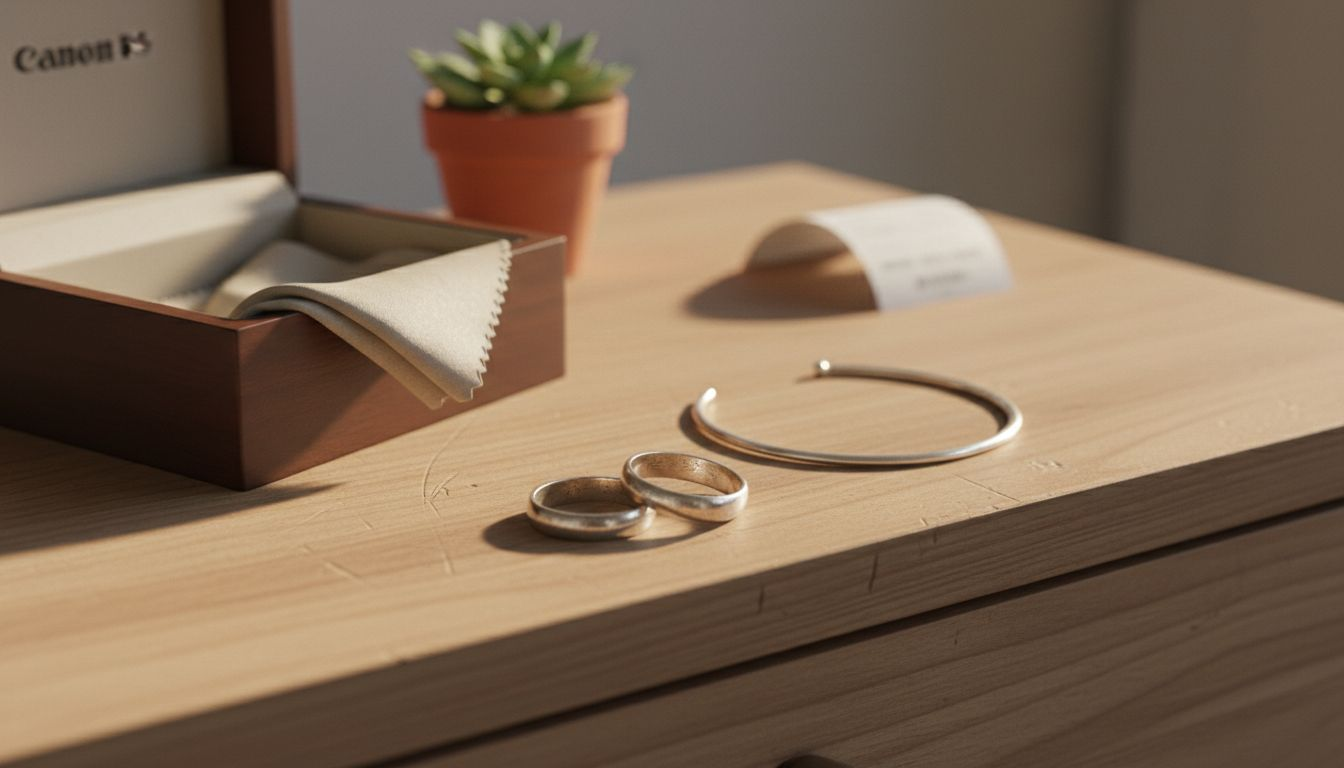
Unlike pure silver, which is too soft for rings and bracelets, sterling silver’s durability comes from metal alloying that adds significant wear resistance. You can wear the same piece every single day without worrying it will deteriorate.
That durability translates to longevity. A quality sterling silver piece can last decades if cared for properly. Many women inherit sterling silver jewelry from mothers and grandmothers because it holds up.
Hypoallergenic and Skin-Friendly
If your skin reacts to most jewelry metals, sterling silver changes the game. It’s hypoallergenic, meaning it rarely causes irritation or allergic reactions.
This matters more than you’d think. Nickel sensitivity affects millions of people. Wearing the wrong metal leaves your ears red, itchy, or irritated. Sterling silver sidesteps this problem entirely.
You can wear sterling silver studs or hoops all day without discomfort. Your sensitive skin finally gets the jewelry you actually want.
The Affordability Factor
Sterling silver costs significantly less than gold or platinum yet delivers comparable beauty and durability. This is why it’s called “everyday luxury.”
You’re not compromising on quality. You’re simply choosing a precious metal that doesn’t carry an inflated price tag. That means you can own more pieces, try different styles, and build a versatile collection without guilt.
Key advantages include:
- Lower price point than gold while maintaining luxury appearance
- Ability to own multiple pieces without major investment
- Access to designer quality at accessible prices
- Freedom to experiment with bold styles risk-free
- Better value retention than fashion jewelry
Sterling silver balances durability, skin safety, and affordability in ways that other metals simply cannot match for everyday wear.
The combination of these three benefits is why sterling silver dominates everyday jewelry. You get premium quality that won’t irritate your skin and won’t drain your savings account.
Pro tip: If you have sensitive skin, always verify the piece is marked “925” sterling silver and avoid anything labeled “plated” or “filled,” as these coatings can wear away and expose reactive metals beneath.
Comparing sterling silver versus gold, platinum, and costume jewelry
Not all jewelry metals are created equal. Understanding the differences helps you make smarter choices about where to invest your money and what will actually last.
Sterling Silver vs. Gold
Gold wins on durability and never tarnishes. It stays bright forever without cleaning. But gold carries a significant price premium that most budgets can’t justify for everyday pieces.
Sterling silver offers bright white beauty at a fraction of gold’s cost. Yes, it tarnishes over time, but tarnish polishes away in seconds. You get the luxury look without the luxury price tag.
Gold works better for heirloom pieces you’ll wear occasionally. Sterling silver makes sense for jewelry you actually wear daily because you can afford more pieces and don’t stress about wear and tear.
Sterling Silver vs. Platinum
Platinum is the ultimate luxury metal. It’s whiter, harder, and hypoallergenic. It never needs cleaning or maintenance.
But platinum costs three to five times more than sterling silver. That $3,000 platinum necklace could be replaced with ten beautiful sterling silver pieces for the same price.
Sterling Silver vs. Costume Jewelry
Here’s where the choice becomes obvious. Costume jewelry uses base metals and imitation stones that lack intrinsic value and durability.
Costume jewelry tarnishes, discolors, and flakes. It irritates sensitive skin. The shine fades within months. You’re throwing money away on pieces that don’t last.
Sterling silver has actual precious metal value. It holds up for decades. Your skin stays happy. You can resell it if needed.
Quick Comparison
| Factor | Sterling Silver | Gold | Platinum | Costume |
|---|---|---|---|---|
| Cost | Affordable | Expensive | Very expensive | Cheapest |
| Durability | Strong | Very strong | Strongest | Weak |
| Tarnish | Yes | Never | Never | Yes |
| Hypoallergenic | Yes | Depends on alloy | Yes | No |
| Intrinsic value | Yes | Yes | Yes | None |
| Best for | Everyday wear | Occasional wear | Investment pieces | Trendy items |
Sterling silver delivers the best balance of durability, beauty, affordability, and longevity for jewelry you’ll actually wear every day.
You don’t need to choose between quality and budget. Sterling silver bridges that gap perfectly. It’s the smart middle ground between costume jewelry’s disposability and gold’s expense.
Pro tip: When comparing prices, remember that costume jewelry’s lower upfront cost gets wiped out when you have to replace it every season, while sterling silver pieces last a lifetime with minimal maintenance.
Best practices for caring for sterling silver jewelry
Sterling silver stays beautiful for decades when you treat it right. A few simple habits keep your pieces looking like new without much effort.
Daily Care Habits
The easiest care happens right after wearing. Wipe each piece with a soft cloth to remove oils, lotions, and dust that dull the shine. This takes 10 seconds and prevents buildup.
Remove sterling silver before swimming, showering, or doing dishes. Chlorine and salt water damage the metal. Same goes for lotions, perfumes, and hand sanitizer—these contain chemicals that accelerate tarnishing.
Cleaning Sterling Silver
Tarnish isn’t permanent damage. It’s a surface layer that polishes away easily. For light tarnish, use a soft microfiber cloth with gentle circular motions.
For deeper tarnish, mild soap and warm water work perfectly. Use a soft brush to gently scrub crevices and detailed areas. Rinse thoroughly and dry immediately with a soft cloth.
Avoid harsh chemicals and abrasive scrubbers that scratch the metal. Gentle cleaning methods remove tarnish without harming the silver surface. Skip the harsh dips and aggressive polishing cloths.
Storage Matters
How you store pieces prevents most problems. Keep sterling silver in a dry, organized jewelry box away from humidity. Moisture and humid air accelerate tarnishing.
Store each piece separately or wrapped loosely in soft cloth to prevent scratches. Keep necklaces untangled and earrings paired. Avoid plastic bags, which trap moisture.
Key storage tips:
- Store in a cool, dry location
- Keep pieces away from direct sunlight
- Use anti-tarnish strips or pads in your jewelry box
- Never store in bathrooms where humidity is high
- Keep items organized so you actually wear them
Professional Care
Consider professional cleaning once yearly, especially for pieces you wear constantly. Jewelers have specialized equipment and expertise to restore shine without damage.
Proper storage and daily wiping prevent 90% of tarnish problems, keeping your sterling silver beautiful without effort.
Your investment in sterling silver pays off when pieces stay pristine through regular, intentional care. These habits take minutes but add years to your jewelry’s lifespan and beauty.
Pro tip: Store your sterling silver jewelry separately from other metals to prevent scratching, and use anti-tarnish strips in your jewelry box—they absorb sulfur compounds from air and dramatically slow down tarnishing.
Discover Everyday Luxury with Sterling Silver Jewelry from SammiBee
Choosing sterling silver jewelry means embracing a perfect balance of durability, hypoallergenic comfort, and affordability—all keys discussed in the article. If you have struggled with jewelry that tarnishes too quickly, irritates your skin, or breaks your budget, SammiBee Jewelry offers a thoughtful solution crafted specifically to meet these needs. Our collections are designed to provide the bright white shine and intricate designs sterling silver is known for while making it effortless to wear pieces every day.
Experience the lasting sparkle and versatility that only quality sterling silver can provide by exploring our range of timeless necklaces, bracelets, and earrings. Every piece is marked by genuine 925 sterling silver authenticity and paired with brilliant cubic zirconia to add that statement shine without sacrificing comfort. Visit SammiBee Jewelry now and invest in jewelry that matches your style and supports your lifestyle with a 30-day hassle-free return policy and free U.S. shipping. Start building your collection today and wear the confidence of everyday luxury.
Explore more about why sterling silver jewelry makes sense for daily wear and find pieces designed to last a lifetime.
Frequently Asked Questions
What is sterling silver jewelry made of?
Sterling silver jewelry is made of an alloy that consists of 92.5% silver and 7.5% other metals, typically copper. This combination provides strength and durability for everyday wear while maintaining the beautiful shine of silver.
How can I tell if my jewelry is genuine sterling silver?
You can identify genuine sterling silver by looking for a “925” stamp on the inside of rings, the clasp of bracelets, or the post of earrings. This marking confirms that the piece meets the 92.5% silver purity standard.
Why does sterling silver tarnish, and how can I prevent it?
Sterling silver tarnishes due to exposure to air and moisture, which reacts with the copper alloy. To prevent tarnishing, store your jewelry in a dry, organized place, avoid wearing it while swimming or showering, and clean pieces regularly with a soft cloth.
Is sterling silver jewelry hypoallergenic?
Yes, sterling silver is generally considered hypoallergenic, making it a great choice for individuals with sensitive skin. It rarely causes irritation or allergic reactions, unlike some other metals that may contain nickel.